Genomic Data Modeling Lab
Statistical machine learning for regulatory genomics, transcriptomics, and rare disease
The PejLab develops probabilistic and mechanistic models that formalize biochemical principles and expert knowledge into quantitative frameworks for learning from noisy, limited genomic data.
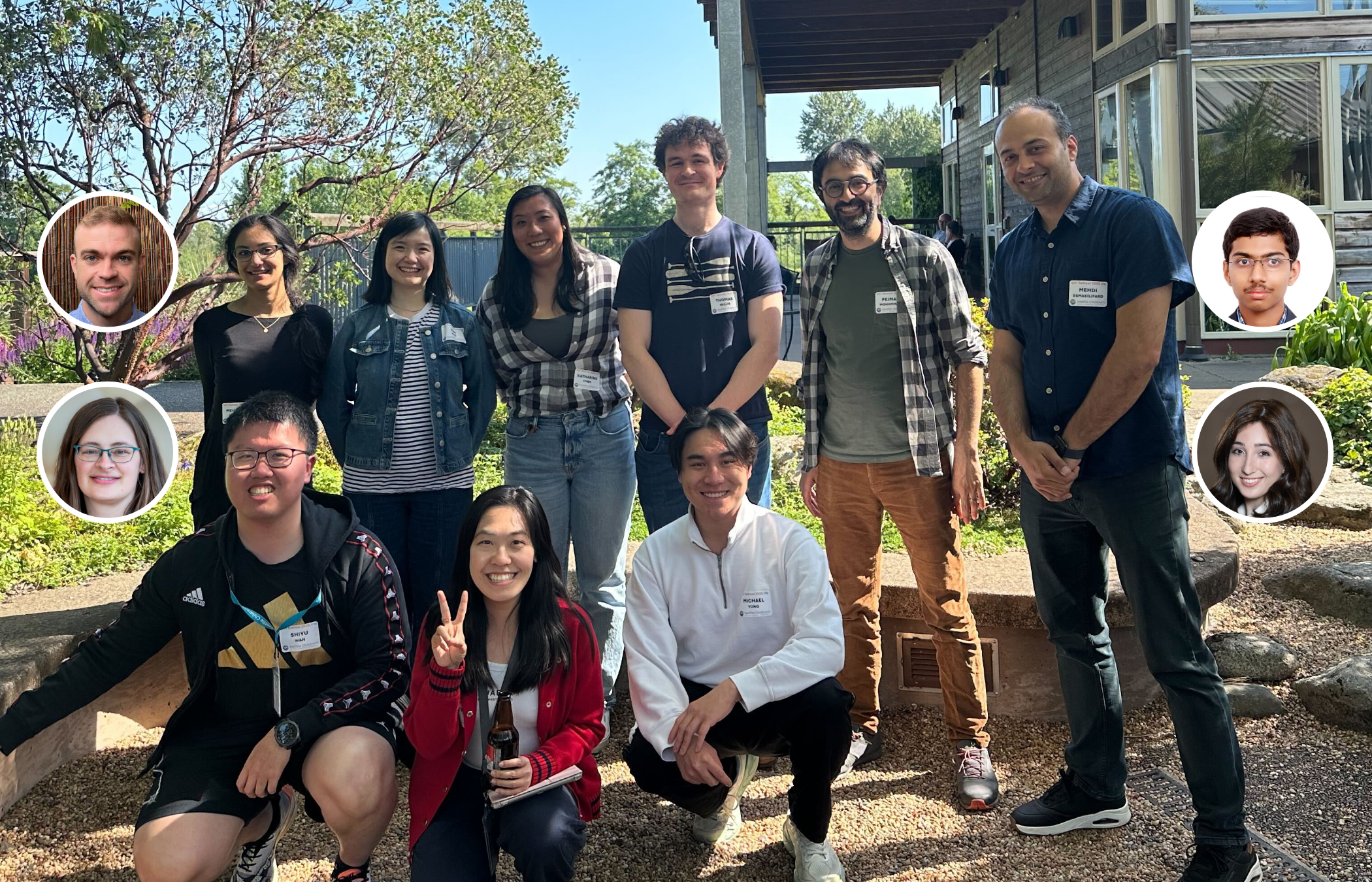
We are based at the Seattle Children's Research Institute and the University of Washington School of Medicine, with affiliations in Genome Sciences. Our work spans regulatory genomics, multimodal transcriptomics, complex trait genetics, and transcriptome-forward approaches to rare disease. We are not currently running an open search, but we are always interested in exceptional candidates.
Research at a glance
Rare disease genomics
We develop transcriptome-forward methods that improve molecular diagnosis when genome or exome sequencing alone is not enough.
Regulatory genomics
We build mechanistic models of cis-regulatory variation to quantify how genetic variants alter gene dosage and expression.
Multimodal transcriptomics
We design methods that extract richer RNA phenotypes from bulk, long-read, spatial, and single-cell sequencing data.
Complex trait genetics
We integrate molecular trait mapping with association studies to connect genetic signals to interpretable biological mechanisms.
Selected tools and data
aFC-n
aFC-n is a multi-eQTL generalization of the allelic fold change (aFC) method for estimating regulatory effect sizes. We provide effect size estimates for GTEx tissues in a Zenodo repository.
ANEVA
ANEVA (analysis of expression variation) quantifies genetic variation in gene dosage from allelic expression (AE) data in a population. ANEVA-DOT applies these variance estimates in a dosage outlier test for use in rare disease diagnostic pipelines.
Pantry
Pantry is a framework to efficiently generate diverse RNA phenotypes from RNA sequencing data and perform downstream integrative analyses with genetic data. We provide results for GTEx tissues and Geuvadis in a Zenodo repository, and a web portal for exploring the results.
RatGTEx
RatGTEx provides gene expression, eQTL, and sQTL data for multiple rat tissues, with particular focus on the brain and applications to behavioral research in outbred rats.
Recent highlights
Recent methods papers
Pantry and aFC-n / haplotype-aware modeling extended our work on RNA phenotypes and regulatory effect-size estimation.
Public data resources
We maintain public tools and datasets including Pantry, ANEVA, aFC-n, and RatGTEx for broader use by the community.
Prospective trainees and researchers
We are always interested in hearing from exceptional candidates with strong scientific programming backgrounds across genomics, statistical genetics, machine learning, and probabilistic modeling.
Current lab members
Pejman Mohammadi
PI, Associate Professor
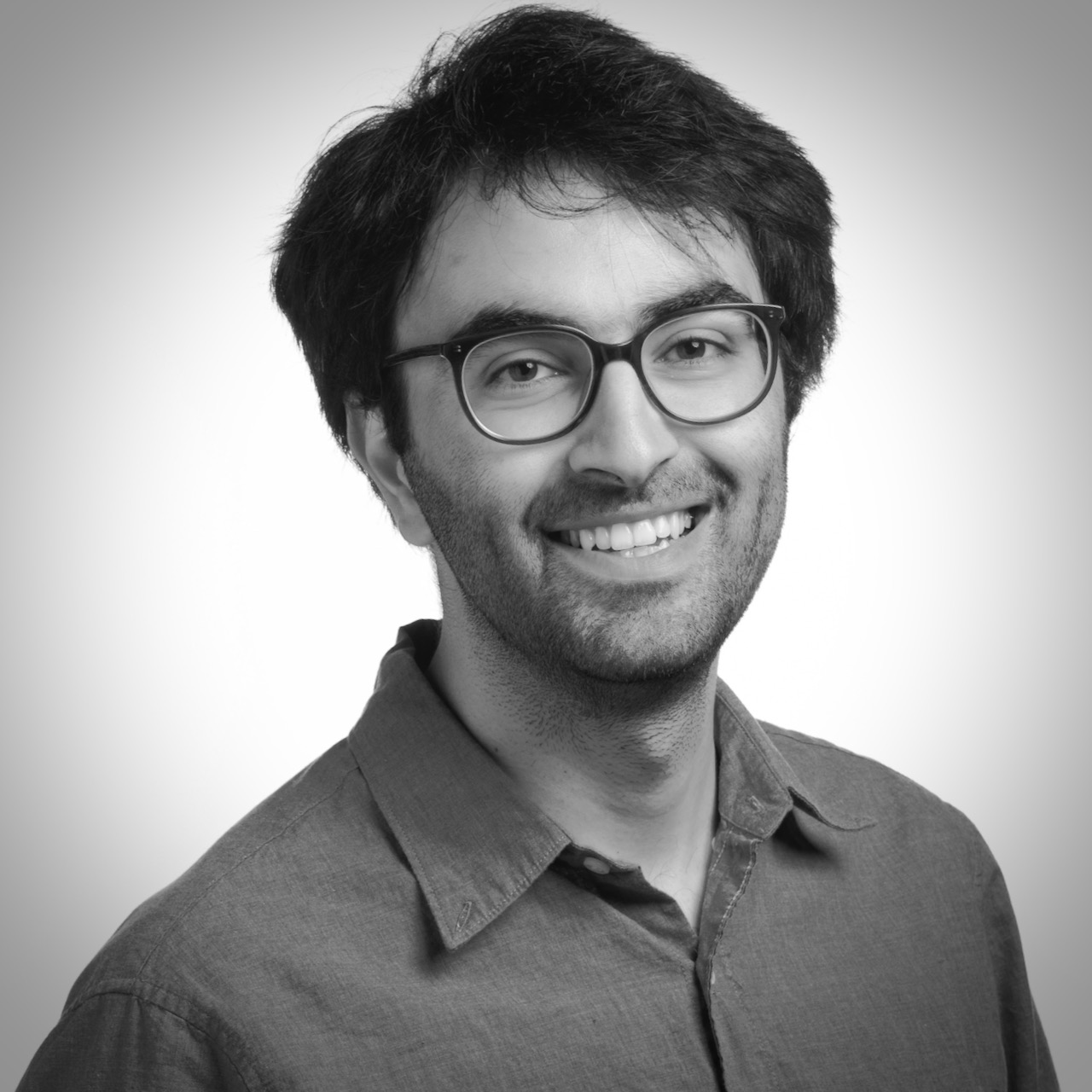
Pejman is a computational biologist whose work sits at the intersection of statistical machine learning, probabilistic modeling, and genomics. His lab develops quantitative frameworks that formalize biochemical principles and regulatory mechanisms to improve inference from noisy, high-dimensional genomic data, with applications to regulatory variation, transcriptomics, rare disease, and personalized medicine.
Pejman joined the University of Washington and Seattle Children's Research Institute as an Associate Professor in 2023. Prior to that, he was on the faculty at Scripps Research in San Diego, first as an Assistant Professor and later as an Associate Professor. He holds a Ph.D. in Computational Biology from ETH Zurich and completed postdoctoral training at the New York Genome Center and Columbia University.
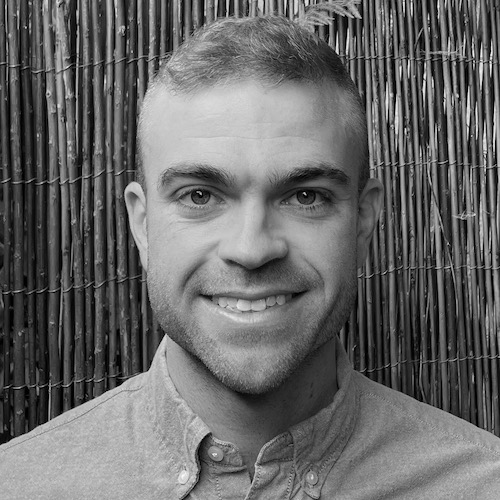
Daniel Munro
Staff Scientist
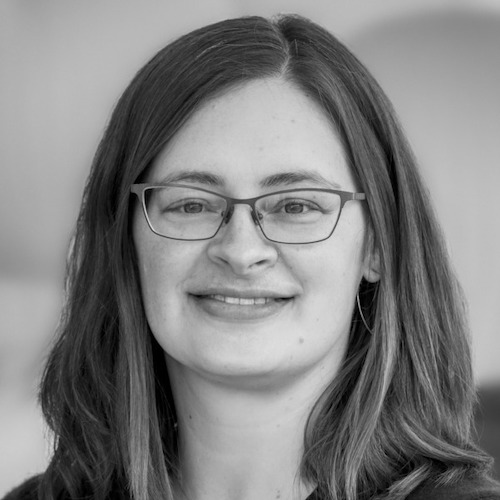
Daniel joined the lab in 2020 and has a joint position in the Palmer Lab at UC San Diego. He is developing methods to identify regulatory variation in outbred rats with applications in psychiatry, as well as tools for extracting biological features from RNA-Seq. He did his PhD in Quantitative and Computational Biology at Princeton University with Mona Singh. Personal website
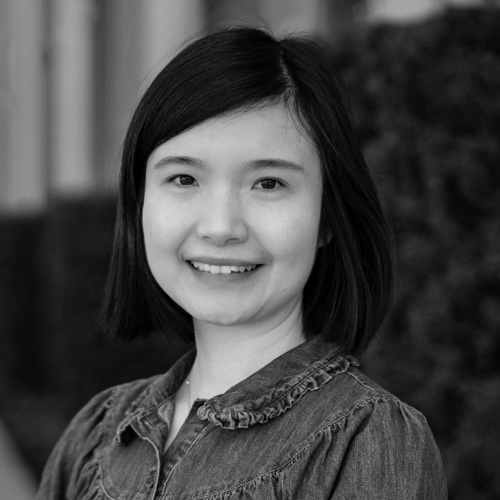
Yan Hao
Staff Scientist
Yan joined the lab as a staff scientist in 2024, focusing on the application of statistical machine learning models to analyze single-cell spatial transcriptomics and genomics within clinical trial datasets. Prior to this role, she concentrated her research on functional genomics, aiming to discover new drug targets for neurological disorders, immune diseases, and cancers. Yan holds a PhD in Cellular Biology from the University of Michigan and a Master's degree in Computer Science from Georgia Tech. Her postdoctoral work was conducted at AbbVie.
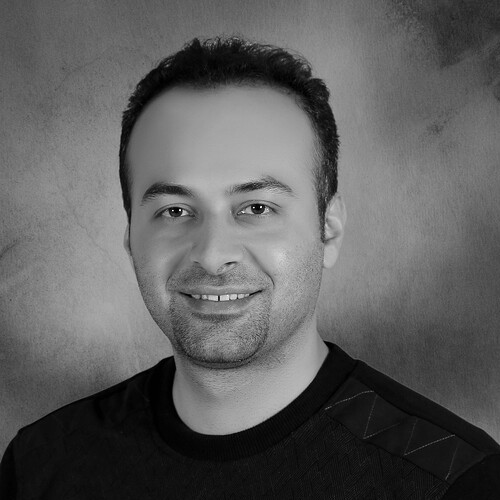
Mehdi Esmaeili-Fard
Postdoc
Mehdi joined the lab in 2023. He is a computational and quantitative biologist and applies statistical methods to detect genomic variations underlying disease/traits. Mehdi also has wide experience in whole-genome prediction using statistical approaches. At the PejLab, Mehdi's work focuses on applying bioinformatics and computational methods to conduct GWAS and eQTL/single-cell eQTL analyses to identify genes and pathways in the cochlear-vestibular system related to balance in older adults. Mehdi is interested in multi-omics analyses using different layers of genomic data that can lead to a better connection between genotype and phenotype and a better systematic understanding of the information flow across different omics layers. "By the way, our ultimate goal is improving human health :)".
Katharine Chen
Postdoc
Katharine joined the lab as a postdoc in 2024. She is interested in applying and developing computational models to better understand the effects of eQTLs on their target genes using GTEx and other transcriptomic datasets. She holds a PhD in Molecular and Cellular Biology with a specialization in Data Science from the University of Washington, where she worked on developing massively parallel sequencing assays and CRISPR screens for identifying regulators of mRNA translation.
Tom Willis
Postdoc
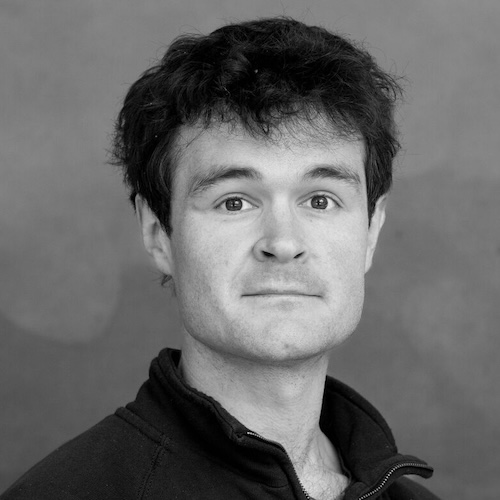
Tom joined the lab as a postdoc in 2025. He is interested in the role of common variants in rare disease and methods which leverage cross-trait sharing of genetic architecture. During his PhD he studied the role of common variants in antibody deficiencies and was supervised by Chris Wallace at the MRC Biostatistics Unit, Cambridge. He is also interested in workflow automation and reproducibility.
Kaushik Ram Ganapathy
PhD Student
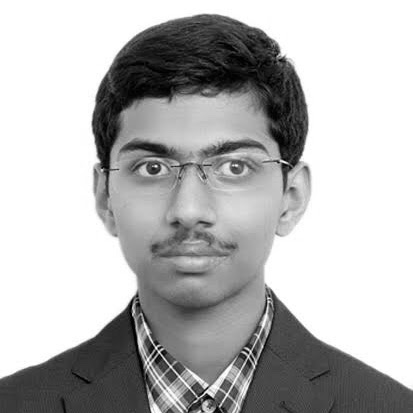
Kaushik joined the lab in 2021 and is a second-year graduate student. His thesis project involves developing methods for rare variant outlier detection. He is interested in using data science to help improve human health. Before joining Scripps, he co-founded and led GeoACT, a project to model COVID-19 spread in schools working at the San Diego Supercomputer Center with Dr. Ilya Zaslavsky. Kaushik holds a B.S. in Data Science from the Halicioglu Data Science Institute, UC San Diego. Google Scholar | LinkedIn
Michael Yung
PhD Student
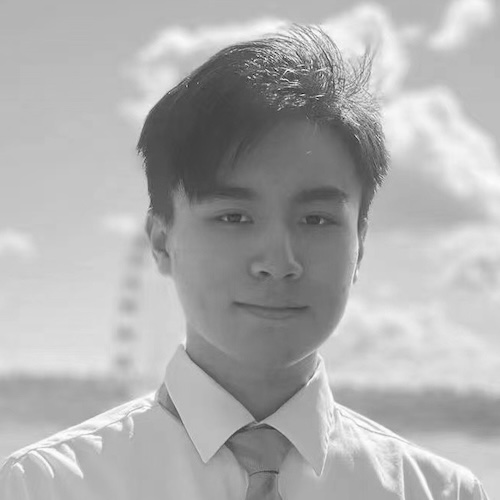
Michael joined the lab in 2024 and is a first-year graduate student. His project will involve the analysis of genetic determinants of regulatory variation in humans using previously collected and publicly available RNA sequencing data. He is interested in using statistical learning and high-dimensional data to solve complex problems in genetics and genomics. Before joining the lab, he was working with Bruce Weir on a research project related to the interpretation of Y-STR evidence, particularly on estimating population-specific values of theta for Y-STR Profiles. Michael holds a B.S. in Statistics and B.S. in informatics from University of Washington. LinkedIn
Shiyu Wan
PhD Student
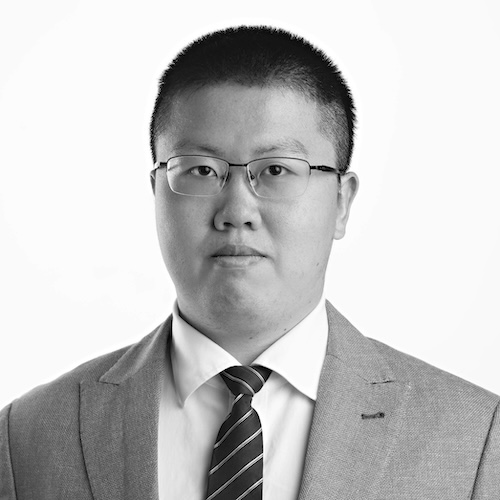
Shiyu is interested in combining deep learning with statistical genomics to study regulatory variation and allele-specific signals. Prior to joining the lab, she developed deep learning and feature-importance methods for complex survival data. She holds a Bachelor of Medical Science in Public Health and a B.A. in Economics from Peking University, as well as an M.S. in Biostatistics from the University of North Carolina at Chapel Hill.
Alumni
Mehreen Mughal
Postdoc
Sarah Silverstein
MD-PhD Student
Congyu Hang
Master's Student
Now: Graduate student in Computer Science at the University of Pittsburgh
Eric Rynes
Staff Scientist
Robert Vogel
Staff Scientist
Shiyi Wang
PhD Student
Now: Bioinformatics Scientist at Scribe Therapeutics
Eric Lu
Research Assistant
Now: MIT Biomedical Engineering PhD program
Athena Tsu
Research Technician
Now: NYU MD-PhD program
Nava Ehsan
Staff Scientist
Mahdi Shafiei
PhD Student rotation
Eric Song
Undergraduate Researcher
Now: UC San Diego MS in Computer Science
Marcela Mendoza
Postdoc
Now: ECOSUR
Bence Kotis
Research Engineer
Now: Red Hat
Yuren Dong
Intern
Now: Columbia University MS in Data Science Program
Adam May
Intern
Now: Johns Hopkins MD-PhD Program